Our Quick Guide to Vintage Clothing
So, you want to wear vintage clothing, but there are a few things you’d like to know first.
With decades of different styles to decipher, and the labyrinth of used clothes to navigate. We’ll help you get up to speed with what to know about vintage.
What style is vintage clothing?
There’s not just one style of vintage when it comes to clothing.
Each decade in history had its own cycle of trends, but back then, they moved at a much slower pace. A trend could last a decade or two; styles would flow from one year to another. This makes putting each decade into one style category a bit oversimplified.
Let's visit the styles of vintage clothing in each era
Each vintage decade is known by a few of the most iconic styles we love. These styles were inspired by cultural movements, or counter-culture responses. They're the clothes that stand out, even 60 years later.
60s Vintage Clothing
Inspired by the decade’s fascination with the future of technology, we got fantastic plastic materials and futuristic designs.
- Hemlines got shorter, and lines got sharper.
- Thick polyester everything (but it’s the kind that lasts). Plastic platforms, and giant circular motifs.
- Monochrome outfit colors, checked prints, or bright patterns.
- For women, there were A-line shift dresses, pinafores, and mini skirts with knee-high boots.
- Men wore shirts with large, pointed collars and high-waisted, colored pants.
70s Vintage Clothing
In the 70s, the late 60s hippy movement led to the birth of bohemian, laid-back, and natural fashion vibes.
- Rich, earthy colors. Natural fabrics and floatier styles.
- Maxi skirts and dresses and jumpsuits in paisley and floral prints.
- Accessories with feathers and fur.
- Blue denim became everyday wear. Waists on pants got higher, and very cinched. Legs got wider with the famous bell bottom.
- Oh, but glam didn’t die off. The disco was here to stay with polyester lounge suits, huge collars, dramatic flares, and psychedelic prints.
80s Vintage Clothing
The 80s were all about being bold. More women in the workforce brought power dressing to the forefront. MTV was born and gave subcultures like punk and metalheads their fashion spotlight.
- Shoulder pads in everything. With studs, sequins, and bold colors.
- Acid wash tapered leg jeans. The waist was still high, but no longer cinched.
- Lycra and athleisure became daily wear.
- Geometric prints, shiny fabrics, bright colors, and loose fits.
- Dresses were puffy-sleeved, and jeans were cuffed.
90s Vintage Clothing
The 90s spread in all directions for fashion trends. From grunge, to goth, to preppy to streetwear. There was a trend for everyone, no matter which lunch table you sat at.
- Grunge and skater styles were oversized and casual. With wide baggy jeans, layered tops, and flannel shirts.
- Streetwear styles inspired by hip hop made sportswear brands mean fashion.
- Britpop brought back the 60s and 70s with miniskirts, flares, and platforms.
- Supermodel obsessions gave us slinky, strappy dresses and tiny tops.
00s Vintage Clothing
The Y2K millennium sparked a whole new take on previous fashion trends. It was the future; we had flip phones. And they were hooked over the waistband of our jeans.
- The lowest of low-rise jeans and the miniest of miniskirts.
- With lots of pink and diamante details.
- It was all about the branded and designer logos.
- Peak ‘jeans and a nice top’ era for red carpets and clubs.
- Double denim, even for the guys. With frosted tips, of course.
Is vintage clothing used?
Vintage clothes are at least 20 years old. But even though they’re old, it doesn’t always mean they’ve been worn.
In some cases, vintage clothing can be in pristine condition.
- Deadstock: Rare to find collections of clothes that were never sold; they simply stayed boxed up in new condition for decades after a company went out of business or stopped the design.
- Forgotten: Clothes that were kept for special occasions or never worn. They’ve lain unworn in the back of a wardrobe for decades until being sold or donated.
We’ve got a mix of both worn vintage clothing and new stuff. When we do get brand new, unworn items, we’ll tag them as New in our descriptions.
Are used vintage clothes worth buying if they’re old?
Most vintage clothes you’ll find are used. We prefer to think of that as preloved, because it doesn’t mean they are worn out or dirty.
- Vintage clothes are of higher quality due to better manufacturing standards in the past decades.
- They’ve lived a whole life or three before you find them, and they’re designed to live a few more.
- They’re unique pieces with iconic designs from rare collections.
Before fast fashion was the norm, fabrics were thick and durable. Clothes were often lined; they had pockets and detailed designs. Seams were stitched to be steadfast.
These were the kind of clothes made to be passed on. From brands, designers, and decades with coveted styles that still mean something to people.
With age, they’ve only increased in desirability.
Is vintage clothing clean?
At ThriftTale, we always wash and iron our vintage clothes before we sell them.
But, let's be real, not all vintage clothing you find out there is treated that well.
Vintage clothes can sit in storage for years, getting that old attic smell. They might have been worn in places with heavy smoking when that was common, or simply never washed properly.
It’s very important to us that all of the vintage clothes we sell are clean.
Are vintage clothes smaller?
Clothing sizes have changed over the years just as much as styles. There is no universal standard for sizing, and the measurements attached to sizes have become progressively smaller with time.
A size on a vintage label could be around four sizes smaller than your current size.
So, it’s best not to think too much about the number on the label.
We measure our clothes and compare them to a modern EU sizing chart. Then, we can give you a better idea of how it fits now based on your current size.
What to look for when buying vintage clothes
Authenticity
If you’re paying for vintage, you want to make sure you’re getting the real deal.
- All of the vintage clothes and brands at ThriftTale are authenticated. If we say it’s 60s or Burberry, we’re sure of that.
- Our product specialists check the labels, fabrics, fastenings, styles, and craftsmanship.
- If you want to know more, a great public resource is the vintage label guide from the Vintage Guild.
There’s nothing more exciting than checking a piece and seeing that old, italic letter label patch confirming it’s vintage.
The right fabrics
Vintage clothing is usually made from different or older versions of fabrics than modern clothes.
- Look for cotton or linen for breathable summer clothes.
- Thick wool or fleece to keep warm in winter weather.
- Polyester might not be breathable, but the vintage stuff is thick and durable. It lasts, frankly, forever (compared to modern, thin polyester). It drip-dries and doesn’t need to be ironed.
- Authentic denim is a toughly woven cotton twill. It doesn’t stretch or wear out. But, if it has no elastane in the blend, it will be stiffer than modern jeans. But when it’s pre-worn in, it’s also already comfier.
- Vintage outdoor jackets could need retreated to stay waterproof. You can rewax a vintage Barbour or refresh the waterproofing on 90s North Face.
Mixing your decades and styles
There’s no rule that you have to stick to one style of vintage clothing. The best part of fashion is that it’s your own personal expression.
And it’s cyclical. The old stuff comes back, and it gets mixed with the new stuff. We love taking inspiration from different decades and styles and making our own.
- You can get 40s and 50s styles that were made in the 80s and 90s.
- Or 60s and 70s styles that came back in the 90s and 00s.
Maybe you think bits of one era look cool with styles from another. It’s a way to make a fresh look from an old one. Mix up your eras and create your own individual vintage vibe.
Figuring out your size
Vintage sizing is nothing like modern sizing. If you’re looking at vintage labels, don’t worry too much about what size it says. If it's a few decades old, you'll probably have to size up.
- At ThriftTale, we measure our vintage clothes and compare them against a standard EU sizing chart.
- Measure yourself with a tape measure. Compare the measurements to our sizing chart, and any measurements listed on each item.
- In-store, you can try on your finds in our fitting rooms, so you’ll always leave with the correct size.
Where can you buy authentic vintage clothing?
At ThriftTale, our vintage clothes are authentic. We source our stuff from all over Europe; then we bring the best of that selection to our stores. You’ll find genuine vintage styles from the 60s to Y2K, in great condition and ready to wear.
We make buying quality vintage clothes accessible and affordable.
Shop with us online to get your next vintage look with speedy delivery.
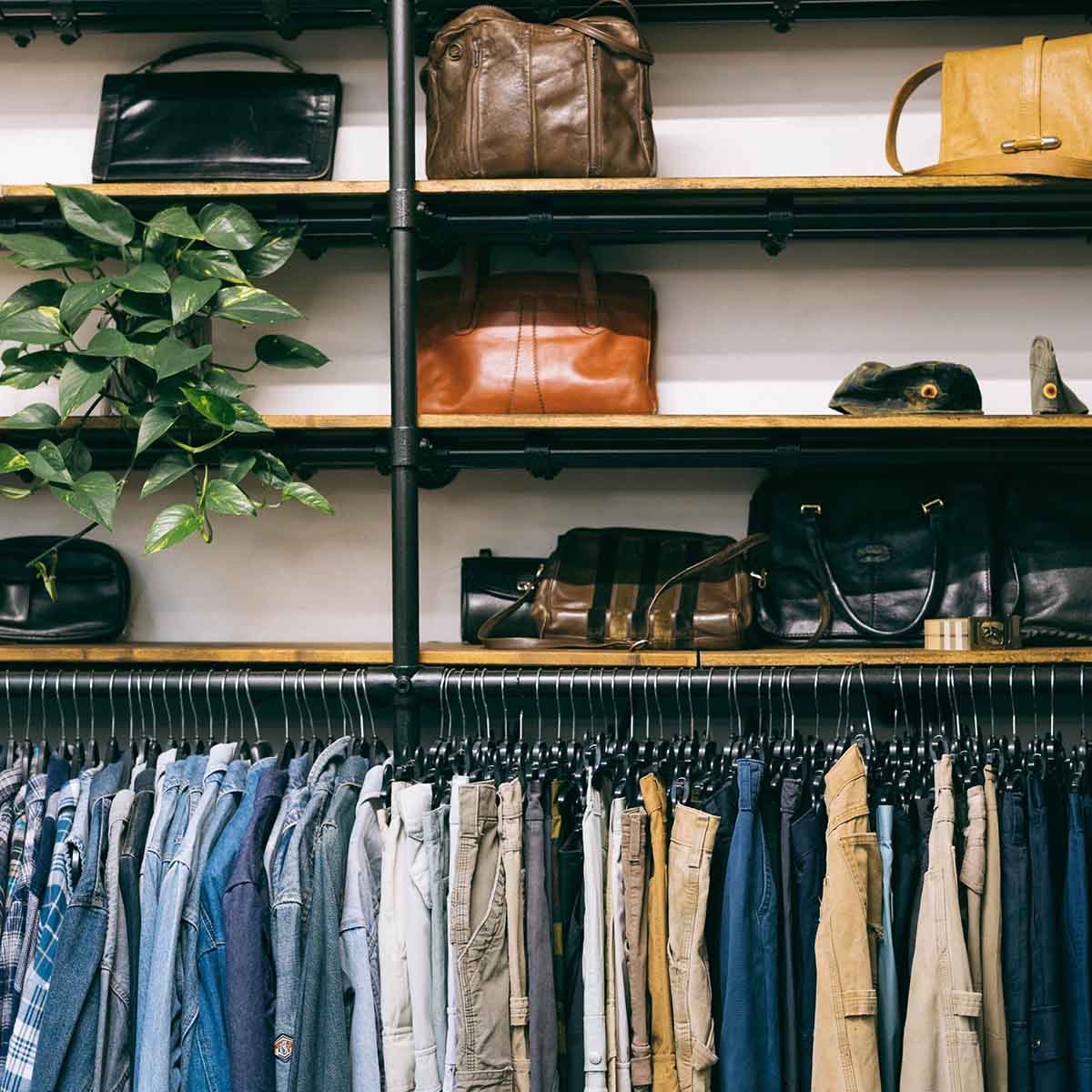
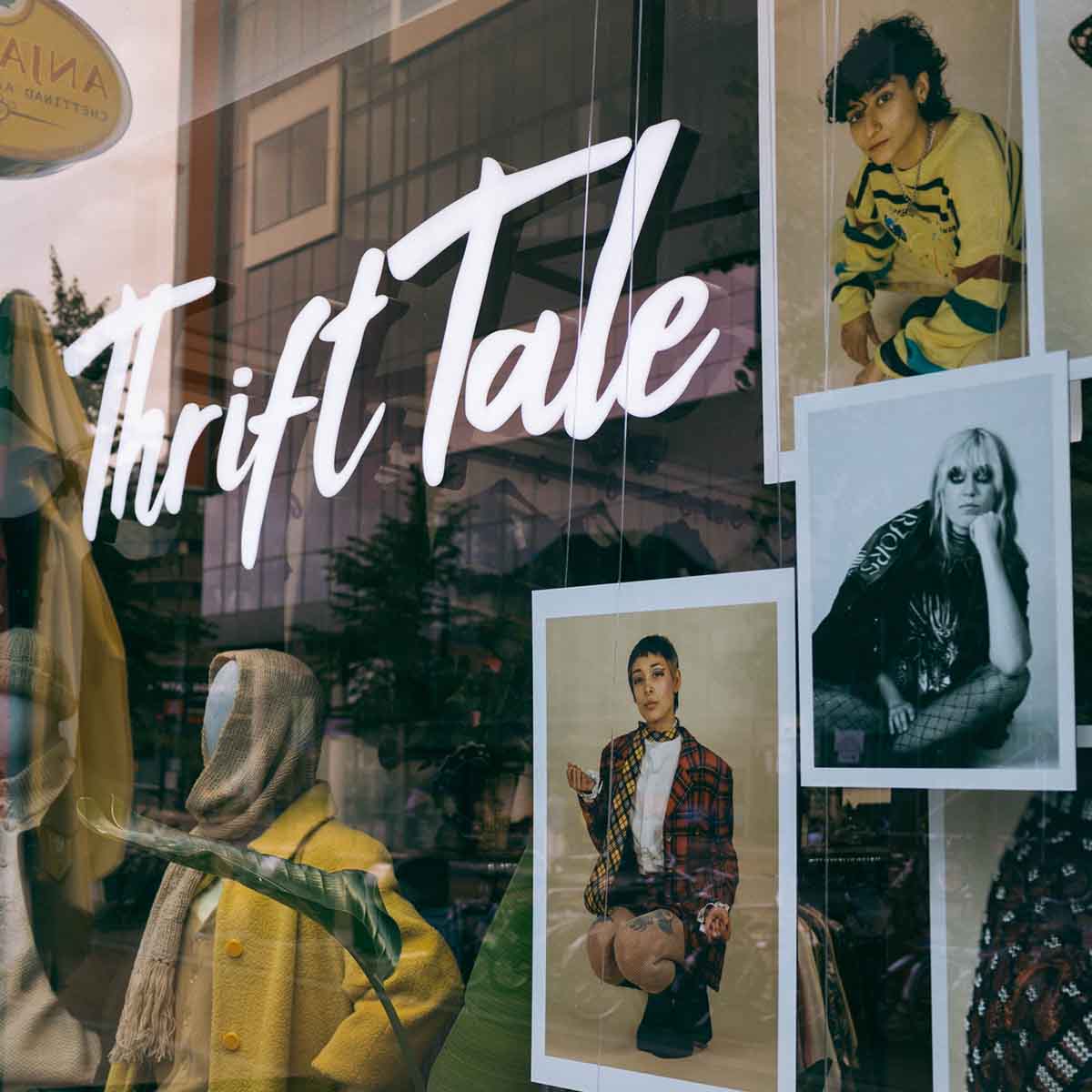
Or browse our coolest collection of vintage clothing in person at our experience stores in Utrecht and Enschede.
FIND A STORE
Looking for more vintage clothes? Want to see our stuff for real?
Grab your bag and get down to one of our stores for the best thrifting you can find in the Netherlands. We’ve packed them with even more of the good stuff, in the coolest locations.
Get that vintage quality and style that needs to be seen to be believed.